 listicle
Can Tactical Athletes Build Strength Without Heavy Lifting?
Last Updated: October 25, 2026
Quick Summary
Tactical athletes can build strength without heavy lifting by using bodyweight training, kettlebells, rucking, sled work, and sandbags. Bodyweight work builds strength endurance and control, while kettlebells develop hip power and grip for time-efficient conditioning. Research shows limited differences between weightlifting, traditional resistance training, and plyometric training for building strength.
- Cover six movement patterns weekly: horizontal push and pull, vertical push and pull, squat and hinge, brace and carry.
- A common bodyweight pattern is two full-body sessions plus one conditioning day per week.
- Start kettlebells at 16-24 kg for men and 8-16 kg for women, adjusted to experience.
- Progress kettlebells by adding reps, then rounds, then a heavier bell, in that order.
- Rucking should add distance before adding weight once the base is solid.
Table of Contents
- Why Tactical Athletes Are Rethinking Heavy Weightlifting
- Bodyweight Strength Training for Tactical Athletes
- Kettlebell Training for Tactical Athletes
- Rucking for Tactical Fitness
- Low-Impact Conditioning for Tactical Athletes
- Ranked Comparison: Which Alternative Fits Each Situation
- Book a Free Consultation with Doug Briggs Strength
- Frequently Asked Questions
Why Tactical Athletes Are Rethinking Heavy Weightlifting
The case for stepping back from the barbell starts with a simple problem: strength that only shows up under a loaded bar doesn't always transfer to the job. Tactical athletes carry, climb, drag, and sprint under fatigue, and a growing body of research suggests the tool matters less than the training effect. This guide from Doug Briggs Strength breaks down the best alternatives to heavy weightlifting for tactical athletes, ranked by what they actually develop.
A 2022 review led by S. J. Morris found that weightlifting produced moderate-to-large gains in strength, countermovement jump, squat jump, and speed, but also reported limited differences between weightlifting, traditional resistance training, and plyometric training for building strength (comparison of weightlifting, traditional resistance training, and plyometric training). Translation: you can get strong without maxing out on heavy singles.
What the Research Says About Strength Alternatives
Tactical fitness is the practice of training for occupational demands, not for a powerlifting total. That distinction reshapes every programming choice. A review led by A. Rasteiro analyzed physical training programs used for tactical personnel and their effects, confirming that structured conditioning, not one lift, drives readiness (physical training programs for tactical populations).
Mountain Tactical Institute makes a sharper point: tactical and mountain athletes can become too strong at the expense of other qualities, which is why its programming emphasizes relative strength rather than absolute load. That's the tension worth holding onto as you read the alternatives below.
Bodyweight Strength Training for Tactical Athletes
Bodyweight strength training for tactical athletes builds push, pull, brace, and single-leg capacity using only the body as resistance. It develops work capacity and joint durability without the spinal loading of a heavy bar, which makes it the default choice when equipment is limited, when travel interrupts a gym schedule, or when a lifter is returning from a back or shoulder issue. The trade-off is honest: bodyweight work builds strength endurance and control very well, but it plateaus for maximal strength unless you add leverage, tempo, or external load.
The movement patterns that matter
Cover these six patterns each week and you have a complete strength base:
- Horizontal push: push-up, tempo push-up, deficit push-up, ring push-up.
- Horizontal pull: inverted row, feet-elevated row, towel row in a doorway.
- Vertical push: pike push-up, wall handstand hold, handstand push-up progression.
- Vertical pull: pull-up, chin-up, towel-assisted pull-up, negative pull-up.
- Squat and hinge: split squat, rear-foot-elevated split squat, single-leg Romanian deadlift, Nordic curl negative.
- Brace and carry: plank, side plank, hollow hold, bear crawl, farmer carry with any heavy object.
A concrete weekly structure
A common pattern for tactical athletes is two full-body bodyweight sessions plus one conditioning day:
| Day | Work | Sets x Reps | Rest |
|---|---|---|---|
| A | Push-up, inverted row, split squat, plank | 4 x 8-15 (leave 2 reps in reserve) | 60-90 sec |
| B | Pike push-up, pull-up, single-leg RDL, side plank | 4 x 5-10 | 90 sec |
| C | 20-30 min circuit: burpee, mountain climber, bear crawl, step-up | 30 sec work / 30 sec rest | Continuous |
Progress by adding reps first, then slowing the eccentric to a 3-4 second count, then increasing range of motion (deficit push-up, feet-elevated row), and only then adding load via a weight vest or pack. That order keeps joints happy and preserves the low-equipment advantage.
Tactical transfer and limits
Bodyweight training maps well to load-carriage endurance, repeated-effort capacity, and the control needed for climbing and dragging. It maps less well to maximal absolute strength, if your role requires moving a very heavy casualty or breaching a heavy door, you will eventually need external load. Most practitioners find bodyweight work is best used as the base layer, with kettlebells, sandbags, or a ruck layered on top for strength and load-carriage specificity.
For a concrete starting point, our breakdown of 7 Functional Durability Exercises for Tactical Athletes shows how to structure these into a weekly plan.
Kettlebell Training for Tactical Athletes
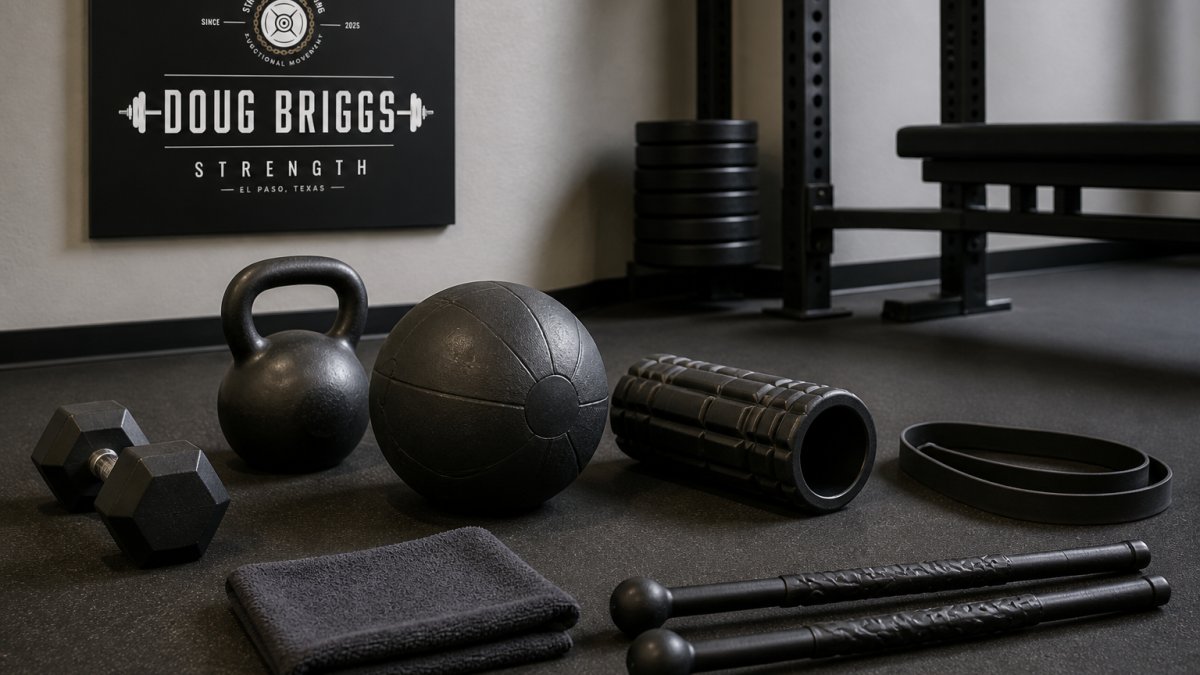
Kettlebell training for tactical athletes sits between bodyweight work and the barbell. It develops hip power, grip endurance, and shoulder stability under load, and the offset, awkward loading patterns mimic real carries better than a balanced barbell does. The kettlebell is best treated as a power and conditioning tool rather than a max-strength lift, chasing a heavy single defeats its purpose and raises injury risk.
What the kettlebell actually develops
- Hip power: swings and cleans train explosive hip extension, which transfers to sprinting, jumping, and quickly getting off the ground under a load.
- Grip and carry endurance: farmer carries, suitcase carries, and front-rack holds build the grip and trunk endurance that load-carriage tasks demand.
- Shoulder stability: Turkish get-ups and overhead holds build control through a full range of motion, which matters for climbing, dragging, and overhead work.
- Work capacity: short, dense sets with deliberate rest raise conditioning without the pounding of running.
Loading and programming specifics
A practical starting point for most tactical athletes is a single bell in the 16-24 kg range for men and 8-16 kg for women, adjusted to experience. Keep sets short and rests deliberate:
| Session focus | Exercises | Sets x Reps | Rest |
|---|---|---|---|
| Power | Swing, clean, snatch | 6-10 x 5-10 | 60-90 sec |
| Strength endurance | Front-rack squat, press, row | 4 x 6-10 per side | 60 sec |
| Carries | Farmer, suitcase, front-rack hold | 4 x 30-60 sec per side | 60 sec |
| Complex | Swing to clean to press to squat | 3-5 rounds x 5 reps | 90-120 sec |
Progress by adding reps, then rounds, then a heavier bell, in that order. A common pattern is to run two power days and one carry/strength-endurance day per week alongside rucking or sled work.
Tactical transfer and trade-offs
The kettlebell shines for time-efficient conditioning, grip endurance, and hip power, all relevant to repeated efforts and load handling. It is less effective than a barbell for maximal absolute strength and less effective than a ruck for pure load-carriage specificity. Use it as the middle layer: bodyweight for the base, kettlebell for power and grip, ruck and sled for task-specific endurance.
If you want programming built around these methods, our roundup of the best tactical strength training programs for beginners compares beginner-friendly options.
Rucking for Tactical Fitness
Rucking for tactical fitness is weighted movement over distance, usually with a ruck or weight vest. It builds stamina and lower-body durability while training the exact task many tactical roles demand. Start with a moderate load and add distance before adding weight. Trail running and stair intervals make good progressions once the base is solid.
Low-Impact Conditioning for Tactical Athletes
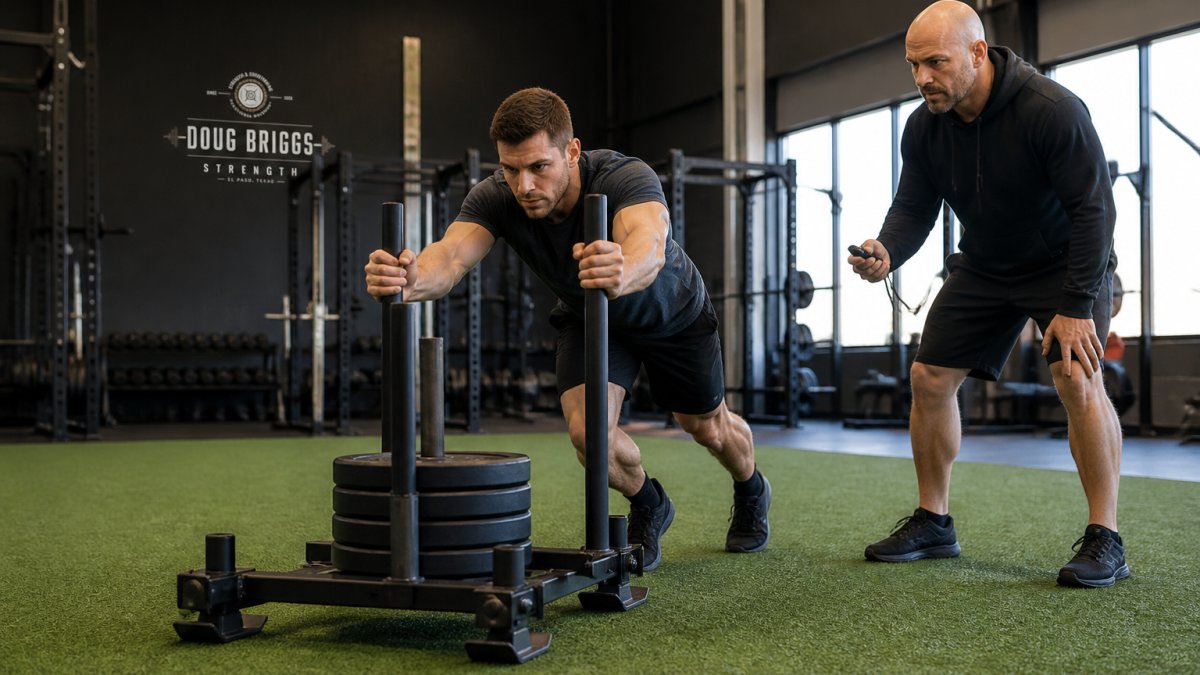
Low-impact conditioning for tactical athletes develops cardio and work capacity while sparing joints that already carry wear and tear. Sled pushes and pulls, swimming with fins, and rowing deliver high output with minimal pounding. TrainHeroic's Warfighter program explicitly markets low-impact alternatives for athletes managing joint pain, a sign the demand is real.
If you're working with limited equipment, our guide on improving tactical physical readiness at home maps these methods to a garage or living-room setup.
Ranked Comparison: Which Alternative Fits Each Situation
Here's how the main alternatives stack up, organized by what each one develops and who it suits.
| Method | Primary Quality | Equipment | Best For |
|---|---|---|---|
| Bodyweight | Strength endurance, control | None | Travel, home, beginners |
| Kettlebell | Hip power, grip, carries | One bell | Time-efficient conditioning |
| Rucking | Stamina, durability | Ruck or vest | Load-carriage tasks |
| Sled work | Leg drive, low-impact cardio | Sled, turf | Joint-friendly conditioning |
| Swimming with fins | Aerobic capacity, ankles | Pool, fins | Non-impact recovery days |
| Sandbag | Unconventional strength | Sandbag | Awkward-load carry and throw |
Sandbag lifting, carrying, and throwing deserves a mention of its own: it trains the unstable, shifting loads that barbells smooth out. If you want programming built around these methods, our roundup of the best tactical strength training programs for beginners compares beginner-friendly options.
Book a Free Consultation with Doug Briggs Strength
Choosing among these alternatives comes down to your role, your injury history, and how many days you can train. At Doug Briggs Strength, we build programs backed by science and experience, not apps, and tailor them to your life and goals. You can also explore personalized fitness coaching to see measurable results. With more than 30 years of coaching experience and credentials including CSCS,*D and RSCC,*E, we help tactical athletes, busy professionals, and women new to strength training find the method that fits.
Watch out: the biggest mistake is copying a program built for someone else's body and schedule, then abandoning it in six weeks.
Frequently Asked Questions
Can tactical athletes build strength without lifting heavy weights?
Yes. A 2022 review by Morris and colleagues found weightlifting offers moderate-to-large benefits for strength, jump, and speed measures, but also reported limited differences between weightlifting, traditional resistance training, and plyometric training for increasing strength. That means bodyweight progressions, kettlebells, sandbags, sled work, and rucking can build usable strength, especially when loaded and progressed over time. The key is matching the method to the tactical task and tracking performance, not assuming a barbell is the only path.
How can tactical athletes train strength with limited equipment?
Bodyweight strength training for tactical athletes covers push-ups, pull-ups, lunges, planks, and burpees, with progressions like elevated feet, weighted vests, or slower tempos. A single kettlebell adds swings, goblet squats, carries, and presses. A sandbag or ruck supplies external load for carries and step-ups. These tools fit in a small space and travel well. Program two to three sessions weekly, track reps and load, and add difficulty only when form holds.
Are kettlebells a good alternative to heavy barbell training?
Kettlebell training for tactical athletes develops hip power, grip, and work capacity through swings, cleans, carries, and presses. It loads the body without the spinal compression of a heavy back squat or deadlift, which matters for athletes managing joint pain or wear and tear. A 2023 review of physical training programs for tactical populations by Rasteiro and colleagues examined these approaches, though the supplied result does not report a numerical effect estimate. Use kettlebells as a primary tool or alongside barbell work.
How can tactical athletes maintain strength while recovering from an injury?
Low-impact conditioning for tactical athletes keeps training going while tissues recover. Swimming and fin work remove ground impact, sled pushes load the legs without eccentric stress, and controlled bodyweight ranges rebuild tolerance. Train the uninjured areas hard, keep the injured area in pain-free ranges, and progress load weekly. A coach can adjust volume and exercise selection around a flare-up. Doug Briggs Strength builds programs around old injuries and busy schedules, so the plan fits your body and your week.
How often should tactical athletes do strength training?
Two to three full-body sessions weekly is enough to build and maintain strength when the work is structured. Pair that with two conditioning sessions, such as rucking or sled intervals, and keep one full rest day. Tactical populations juggle shift work, so shorter, denser sessions beat long ones you skip. Track sets, reps, and load so you can see progress. A coach can set weekly volume around your schedule and adjust when duty demands spike.
Ready to train smarter than the barbell? Get started with Doug Briggs Strength and book a free consultation to build a plan that fits your role, your recovery, and your week.