 comparison
Barbell Medicine Alternatives for Personalized Coaching
Last Updated: November 5, 2026
Quick Summary
A barbell medicine alternative for personalized coaching is one-on-one online strength coaching that includes individual program design, video form review, direct communication, and scheduled check-ins. Unlike courses and templates, a coach adjusts your training based on your feedback, schedule, and injury history.
- Online strength coaching is remote, individualized instruction with program design, form review, and check-ins.
- A course answers questions you have not asked yet; a coach answers the question you have today.
- Compare total commitment, not headline price, since a long minimum term can cost more.
- Ask for a short call to confirm communication model, check-in cadence, and problem handling.
- Doug Briggs Strength offers more than 30 years of coaching experience and a free consultation.
Table of Contents
- Why Lifters Look Beyond Barbell Medicine for Coaching
- What Online Strength Coaching Actually Includes
- Barbell Medicine Coaching Reviews: What the Model Gets Right and Where It Falls Short
- Building a Personalized Strength Training Program That Fits Your Week
- An Online Personal Trainer Comparison: Apps, Courses, and One-on-One Coaching
- Matching the Coaching Option to Your Goal, Injury History, and Experience Level
- Book a Free Consultation With Doug Briggs Strength
- Frequently Asked Questions
Why Lifters Look Beyond Barbell Medicine for Coaching
The search for a barbell medicine alternative usually starts the same way: a lifter respects the evidence-based approach but needs more individual attention than a course-and-content model can offer. People buy programs, read articles, understand the principles, and still stall out because nobody is watching their actual training week.
A template tells you what a hypothetical lifter should do. A coach tells you what you should do on a given training day, based on how you are actually feeling.
Below, we break down what course-based models get right, where they can fall short for some lifters, and how to choose among online strength coaching options with clear eyes.
What Online Strength Coaching Actually Includes
Online strength coaching is remote, individualized instruction in which a coach designs your training program, reviews your execution, and adjusts both based on your feedback and progress. The best versions include video form review, a communication channel, and scheduled check-ins.
What separates real coaching from a program subscription comes down to four things:
- Individual program design built around your training history, schedule, and injury history
- Exercise selection you can actually perform with the equipment you have
- Accountability through regular check-ins and progress tracking
- Adjustment when life, pain, or a plateau interrupts the plan
Strip out any of those and you have bought a PDF with a subscription fee.
Barbell Medicine Coaching Reviews: What the Model Gets Right and Where It Falls Short
Any honest set of Barbell Medicine coaching reviews has to start with credit: their content is grounded in evidence-based training principles, and their education-first approach has helped a lot of lifters understand programming, pain science, and rehabilitation concepts.
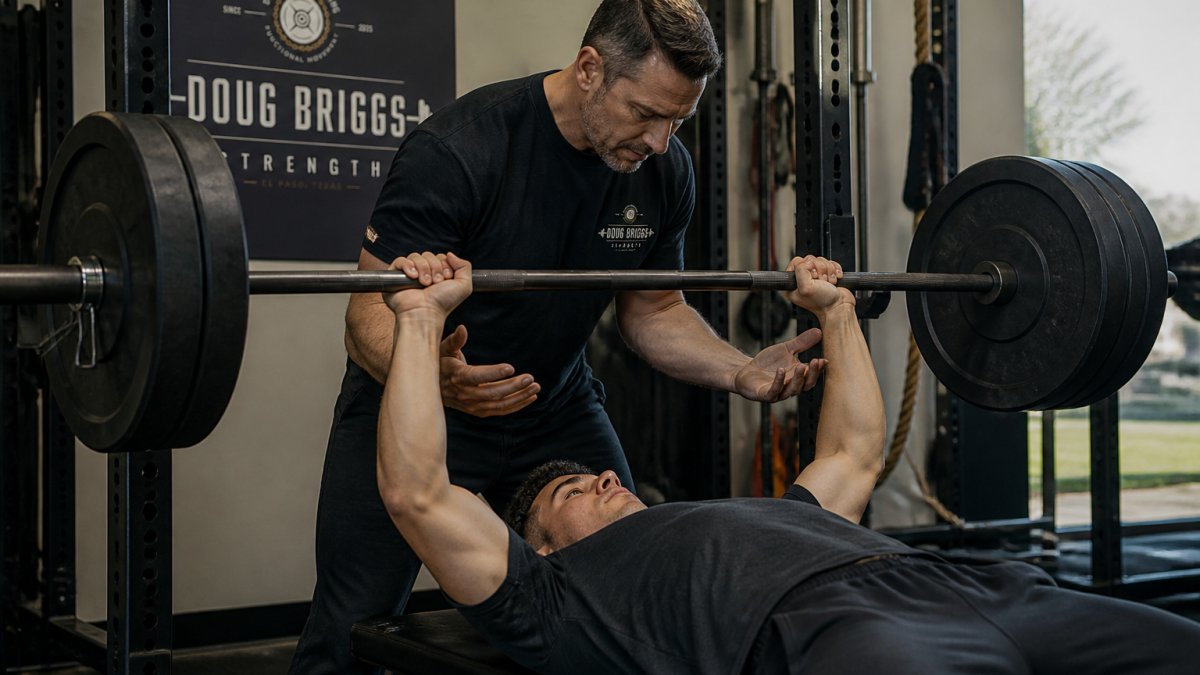
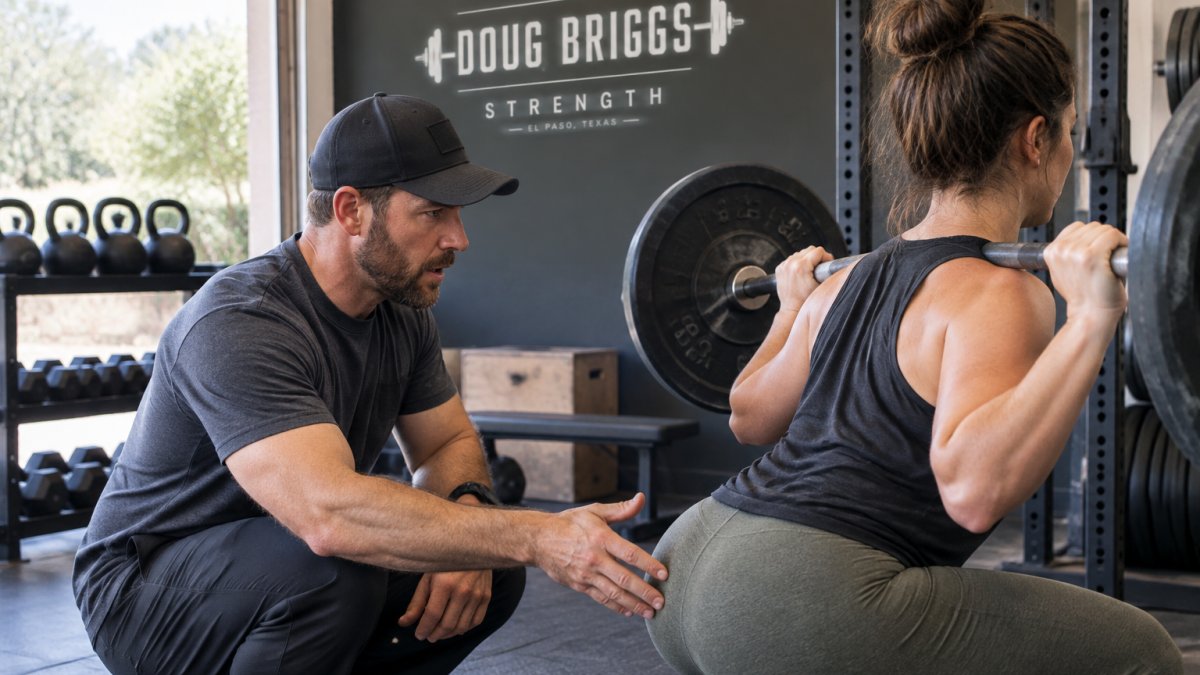
Here is where the model runs into limits for many people. The template and course format cannot see your squat drift on rep six. It cannot tell you that your bench press pain pattern suggests a technique issue rather than a tissue problem. And it cannot hold you accountable on the weeks you would rather skip.
The practical difference between a course and one-on-one coaching is feedback latency. A course answers questions you have not asked yet. A coach answers the question you have today.
Building a Personalized Strength Training Program That Fits Your Week
A personalized strength training program starts with your real schedule, not an idealized one.
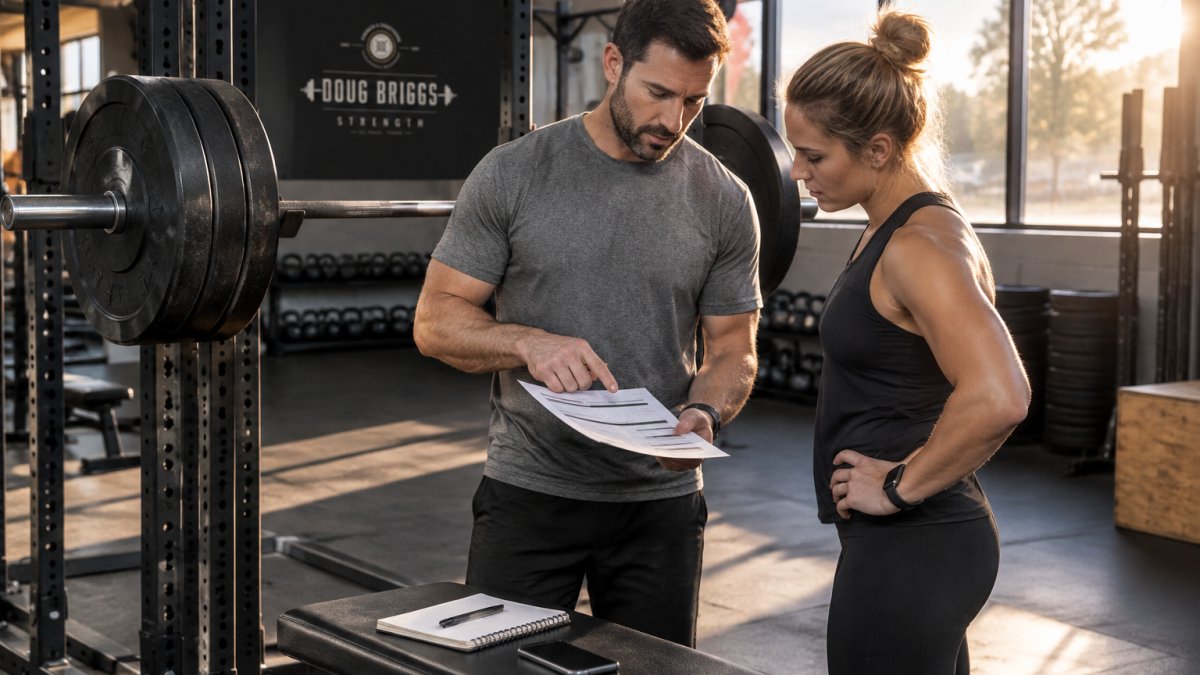
If you want to see how a plan gets shaped around a real calendar, read our guide to the best training plan that fits your life for consistency.
An Online Personal Trainer Comparison: Apps, Courses, and One-on-One Coaching
The useful comparison is self-guided versus coached, and the difference shows up in what happens when something goes wrong. The table below compares service models, and the sections after it explain what to ask before you pay.
| Option | What You Get | Typical Commitment | Best For | Main Limitation |
|---|---|---|---|---|
| Fitness app | Exercise library, logging, generic templates | Monthly subscription, cancel anytime | Self-motivated lifters who need tracking only | No individualized adjustment or form feedback |
| Online course or template | Structured programming and education | One-time purchase or course access | Lifters who want to learn principles and self-program | No eyes on your execution, no accountability |
| Group programming | Shared plan with community support | Monthly subscription | Lifters who thrive on shared structure | Limited individualization for injury or schedule |
| One-on-one online coaching | Individual program, form review, direct communication | Monthly coaching agreement | Lifters with injuries, busy schedules, or specific performance goals | Requires honest feedback and consistent logging |
Criteria to compare before you pay
Use the same five criteria for every option, and write down the answers so you can compare them side by side.
Pricing and commitment: what to expect
Coaching prices vary by model and coach experience. For this business's current pricing, please check the Doug Briggs Strength website or request a quote. The practical question is not which is cheapest but which cost matches the amount of individual attention you actually need.
Watch out: a low monthly price with a long minimum term can cost more than a higher month-to-month rate if you quit early. Compare total commitment, not the headline price.
For a deeper side-by-side, see our strength coaching programs compared for real results, and if you have already tried the app route, our breakdown of alternatives to generic fitness apps for strength explains what usually goes missing.
Matching the Coaching Option to Your Goal, Injury History, and Experience Level
Coach-client fit matters as much as the program itself. This section organizes considerations by the goal or circumstance you are in.
By primary goal
- Strength. Prioritize a coach who programs around the barbell lifts, manages fatigue across a training block, and adjusts volume and intensity based on your logged performance. Ask how they handle a stalled lift: deload, technique change, or exercise substitution.
- Hypertrophy. Prioritize a coach who can build around your available equipment and schedule, and who tracks body-weight and measurement trends alongside training loads. Ask how they balance volume across muscle groups when your week is short.
- Weight management. Prioritize a coach who integrates training with nutrition guidance and sets realistic rates of change. Ask whether nutrition is individualized or delivered as general guidelines.
- General health and consistency. Prioritize accountability and a plan that survives a busy week. Ask how the coach handles missed sessions without derailing the block.
By circumstance
If you are managing an old injury, the priority is a coach who modifies exercise selection rather than removing training altogether. Pain management and rehabilitation-informed programming are skills, not disclaimers. Ask how they screen movements, what they substitute, and when they would refer you to a clinician.
If you are a tactical professional or shift worker, the priority is a plan that survives disrupted sleep and unpredictable hours. Ask how the coach sequences training around irregular schedules and whether they adjust volume on short-sleep weeks.
If you are new to barbell training, the priority is fundamentals and confidence, not complexity. Ask how much form review is included and whether the coach teaches the lifts or assumes you already know them.
If you are a woman looking for strength and capability rather than bodybuilding aesthetics, the priority is a coach who listens to your stated goal and programs toward that goal. Ask how they set goals and whether they will program toward performance rather than appearance if that is what you want.
If you have limited equipment, the priority is a coach who can build a program around what you own. Ask how they handle exercise substitution for your setup.
How to test fit before you commit
Ask for a short call before signing. Use it to confirm the communication model, the check-in cadence, and how the coach would handle one specific problem you have right now.
Personalized coaching is the difference between a plan that describes training and a plan that describes your training. To see how that plays out in practice, look at how personalized fitness coaching produces measurable results.
Book a Free Consultation With Doug Briggs Strength
Doug Briggs Strength brings more than 30 years of coaching experience to individualized programming for youth, adult, and tactical athletes, with credentials including CSCS,*D and RSCC,*E through the National Strength & Conditioning Association.
Our programs are backed by science and experience, not apps. We build around your life, your goals, and your injury history, with hands-on, gym-based seminar options for lifters who want in-person instruction. If you are weighing a course against a coach, start with our step-by-step guide to hiring a personal strength coach online.
Frequently Asked Questions
What are the best alternatives to Barbell Medicine for personalized coaching?
The right alternative depends on how much hands-on attention you want. If you need a human coach adjusting your program weekly, look at one-on-one online coaching rather than self-guided courses. Doug Briggs Strength offers personalized coaching with over 30 years of coaching experience and programs built around your goals and lifestyle.
How do I choose a coach for strength training with an injury or mobility limitation?
Ask three things before you pay: how the coach modifies exercise selection around your limitation, whether they have experience with your specific issue, and how they track flare-ups between sessions. A good coach changes the squat, deadlift, or press variation rather than dropping the lift entirely, and adjusts load based on how you respond.
What is the difference between a training app and personalized coaching?
An app delivers a program and records what you log. A coach reads that data and changes the plan. Apps are useful for lifters who already know how to program and just need structure. Personalized coaching adds exercise selection decisions, adjustments, and accountability when life gets busy. If you have stalled on the same numbers for months or keep restarting after missed weeks, the difference is usually the feedback loop, not the spreadsheet.
How often should a strength coach update my program?
Ask any coach how often they update programs and what triggers a change, so you know what to expect. A coach who only rewrites your plan every twelve weeks is running a template. Ask upfront how often you get feedback and whether you can flag a bad week without waiting for the next block.
Can a personal coach tailor strength training to my schedule and goals?
Yes, and that is the main reason to pay for coaching over a course. Three training days per week works fine for strength, power, and hypertrophy progress when exercise selection and weekly volume are set correctly. Tell a prospective coach your real constraints, such as two 45-minute weeknight sessions and one longer weekend session, and ask them to show you what that week looks like.
The lifters who get the most from coaching are the ones who bring honest feedback about their week and their training. If you are ready to stop adapting yourself to a template, get started with Doug Briggs Strength and build a program that fits the life you actually live.